In practice
The second life
The second life
of a garment.
Nothing is shredded, burned or buried. Every piece follows the same route — sorted, catalogued, and sent back onto a shelf somewhere in the world.


JLB GROUP has operated a zero-destruction policy since its founding in 1983. Every piece we acquire is reintroduced into the market — contributing to a circular, responsible fashion economy.
Every year, billions of items of clothing go unsold. The fashion industry has a systemic overproduction problem — and historically, destruction has been the default solution.
JLB GROUP was built on a different premise: that every quality piece of clothing has inherent value, and that value should be captured — not burned, shredded, or landfilled.
Since 1983, we have been proving that excess stock management can be profitable, discreet, and environmentally responsible at the same time. The circular economy is not a trend for us — it is how we have always operated.
Nothing is shredded, burned or buried. Every piece follows the same route — sorted, catalogued, and sent back onto a shelf somewhere in the world.
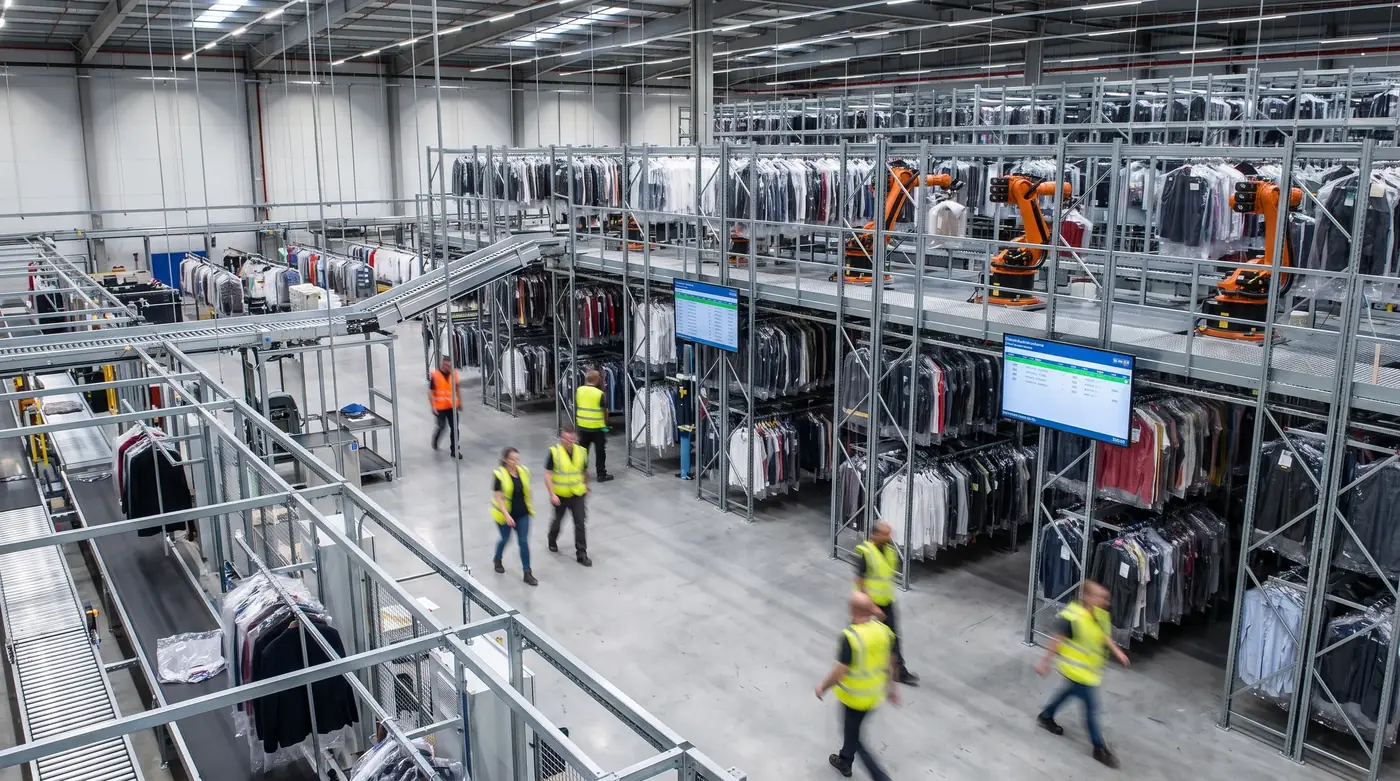
We have maintained a strict zero-destruction policy since our founding. No piece that passes through JLB GROUP is ever destroyed, shredded or disposed of.
By channelling excess stock to 140+ countries, we ensure that demand and supply are matched efficiently across the world — reducing the environmental cost of overproduction.
Every piece is tracked from acquisition to final sale. This transparency ensures responsible handling throughout the supply chain and supports brands' own ESG reporting.
Responsible redistribution means never compromising a brand's image or pricing. We operate through vetted, brand-appropriate channels — protecting both brand value and buyer integrity.
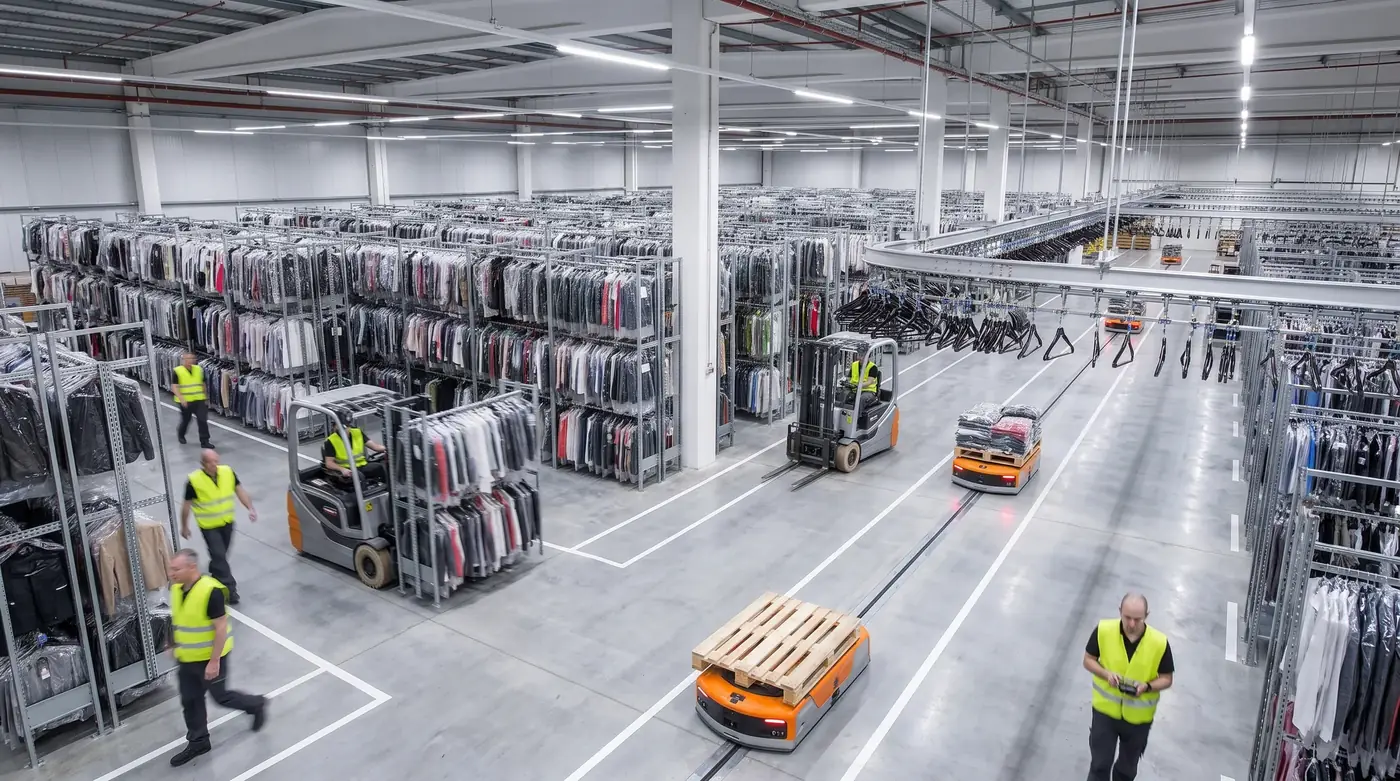
The fashion industry is responsible for approximately 10% of global carbon emissions and is the second largest consumer of water worldwide. Overproduction is one of the key drivers — with an estimated 30% of all garments produced going unsold each year.
JLB GROUP addresses this directly. By purchasing excess stock and redistributing it globally, we prevent millions of garments per year from being incinerated or sent to landfill. Every transaction we complete is, in effect, a contribution to a more sustainable fashion system.
Partner with JLB GROUP to turn your excess stock into value — for your business, and for the planet.